

In this guide, we compare two of Vienna’s most iconic landmarks. We’ll explore their historical differences, art collections, and other travelers’ experiences to help you decide which one to visit: Schönbrunn or Belvedere.
Support when you need it
Customer support to help you with everything you need from 8.00 a.m. to 6.00 p.m.

Fast and online booking
Choose the best option for your needs and preferences and avoid the lines booking here

#2 Attractions in Vienna
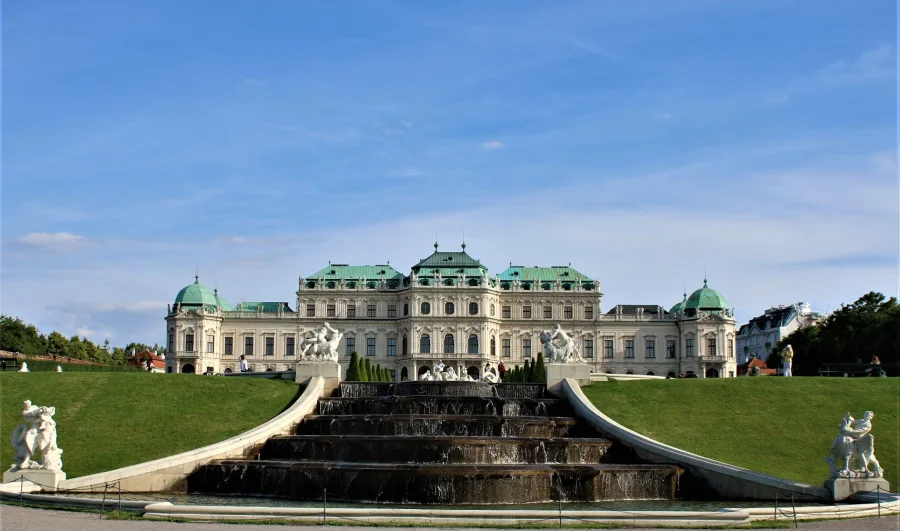
Explore Belvedere Palace in Vienna: Baroque beauty, lush gardens, and Klimt's iconic art.
Choosing between Schönbrunn or Belvedere is no easy task. While they may seem similar due to their Baroque architecture, they offer very different experiences:
Schönbrunn Palace is ideal if you want to discover what daily life was like for the monarchy. You can tour private apartments and get a sense of how Empress Sissi lived—born Elisabeth of Bavaria, she was the wife of Emperor Franz Joseph I and remains one of the most iconic figures of the Austro-Hungarian Empire.
On the other hand, if you prefer a more refined experience focused on Europe’s aesthetic evolution, Belvedere Palace functions more as a world-class art museum than a historical residence.
When making this Belvedere Palace vs. Schönbrunn Palace comparison, you should also consider your schedule and who you are traveling with. For instance, Schönbrunn is massive and requires nearly a full day if you want to explore the gardens and the zoo. In contrast, the Belvedere is more compact and better integrated into the city’s urban layout.
To help you make the best choice, we’ve put together this table with key information for every type of traveler:
| Traveler Profile | Recommended Palace | What You’ll Find |
|---|---|---|
| Art Lovers | Belvedere | The largest collection of Austrian art, including Klimt’s The Kiss. |
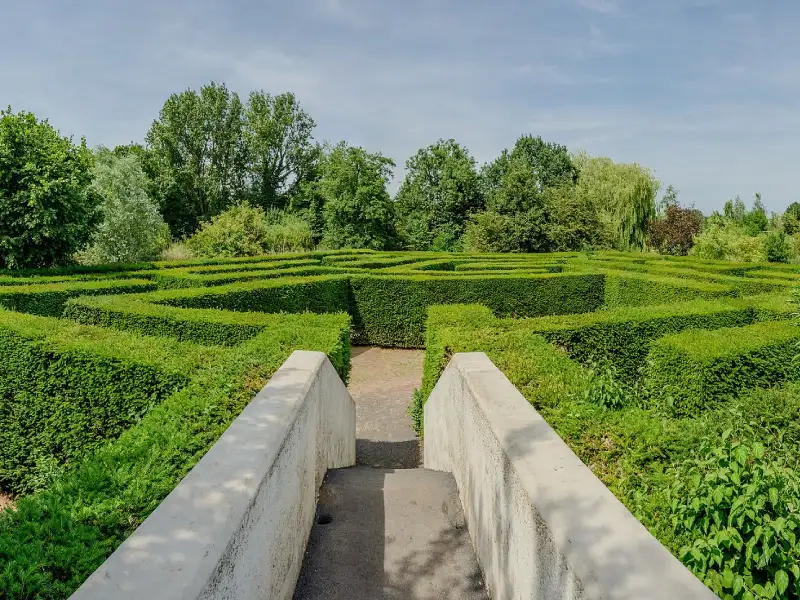
| Families with Kids | Schönbrunn | The world’s oldest zoo, a hedge maze, and an interactive children’s museum. |
| History Buffs | Schönbrunn / Hofburg | The epicenter of imperial power and the emperors’ private apartments. |
| Short on Time | Belvedere / Hofburg | Central locations with shorter, more direct tour routes. |
| The “Full Package” | Schönbrunn / Hofburg | Vast grounds, seasonal markets, and multiple museums in one spot. |
| View Seekers | Upper Belvedere | One of the best views of the Vienna skyline from the gardens. |
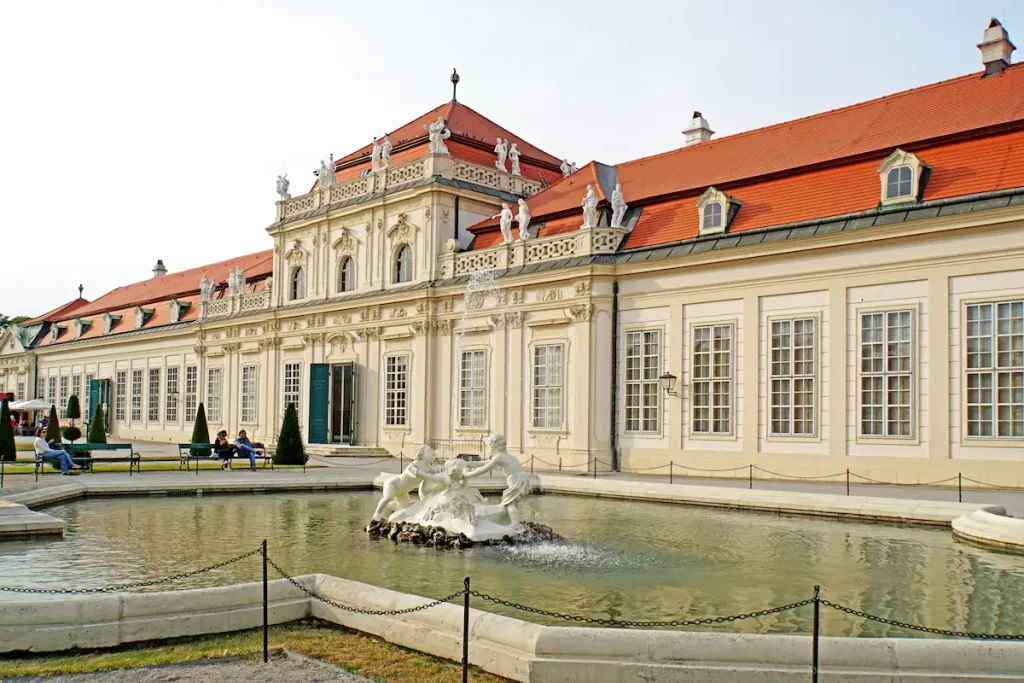
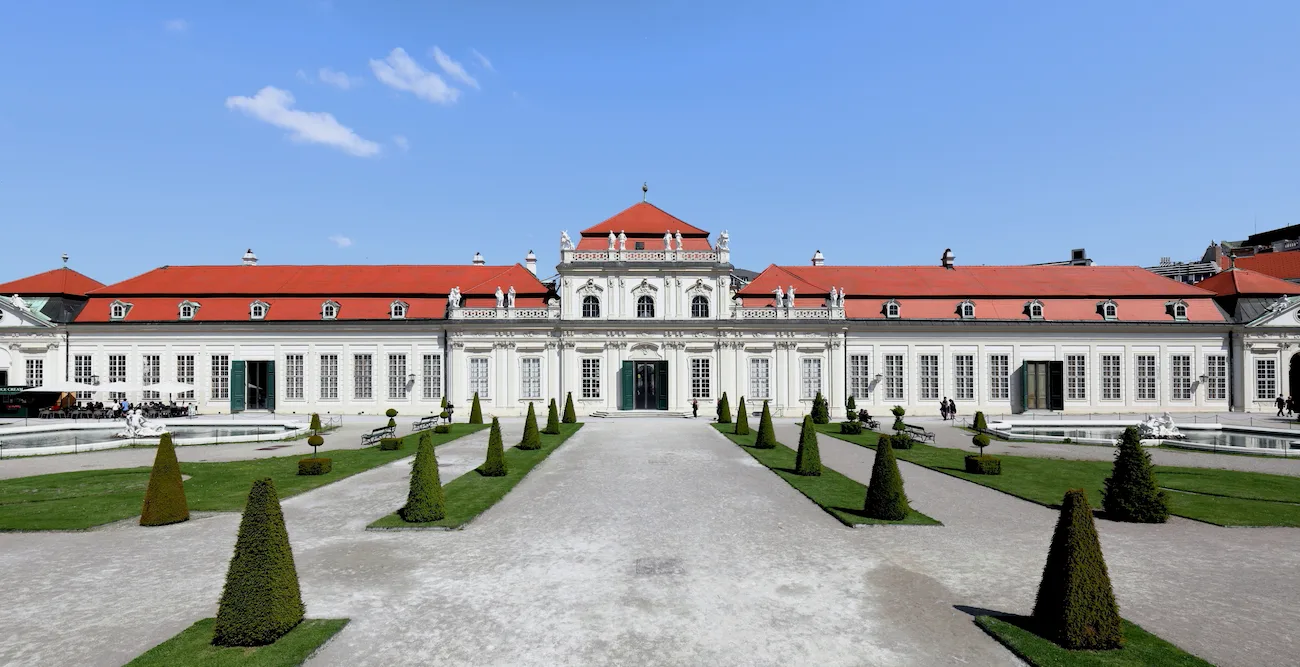
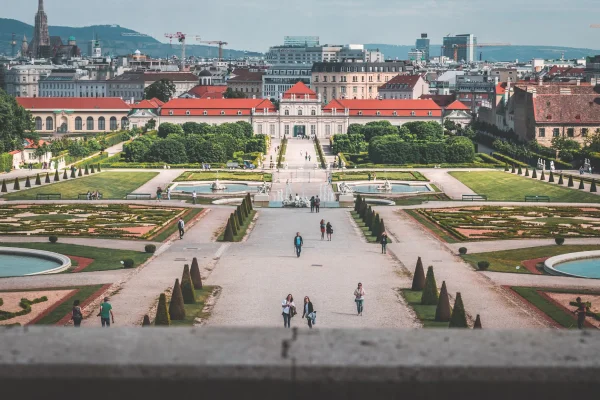
The Belvedere is an elegant and highly sophisticated architectural complex, divided into two main buildings: the Upper and Lower Belvedere, connected by perfectly symmetrical gardens.
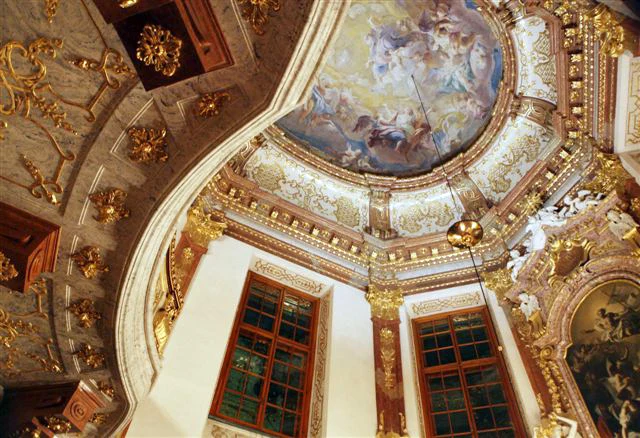
This isn’t your typical palace with royal bedrooms and living quarters; it is a top-tier art gallery. The interior is bright and stately, designed to impress the eye rather than serve as a functional home. It invites visitors to stroll at a relaxed pace, taking in the stunning ceiling frescoes as well as the masterpieces that adorn the walls.
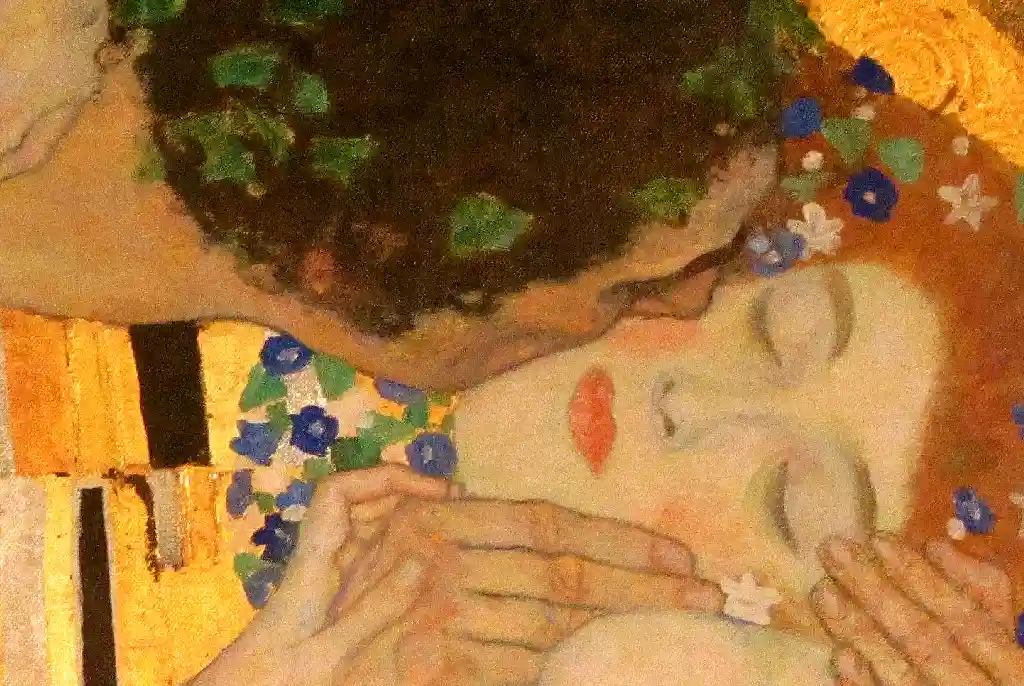
Each building within the Belvedere has its own unique character. The Lower Belvedere features halls decorated with Baroque frescoes and spaces that showcase 18th-century elegance, while the more imposing Upper Belvedere houses world-renowned art collections, including Austrian masterpieces from different periods. Among these, Gustav Klimt’s iconic The Kiss stands out, making the Belvedere a must-visit destination for art lovers. The galleries and halls are thoughtfully arranged, allowing visitors to fully appreciate both the architecture and the artwork.
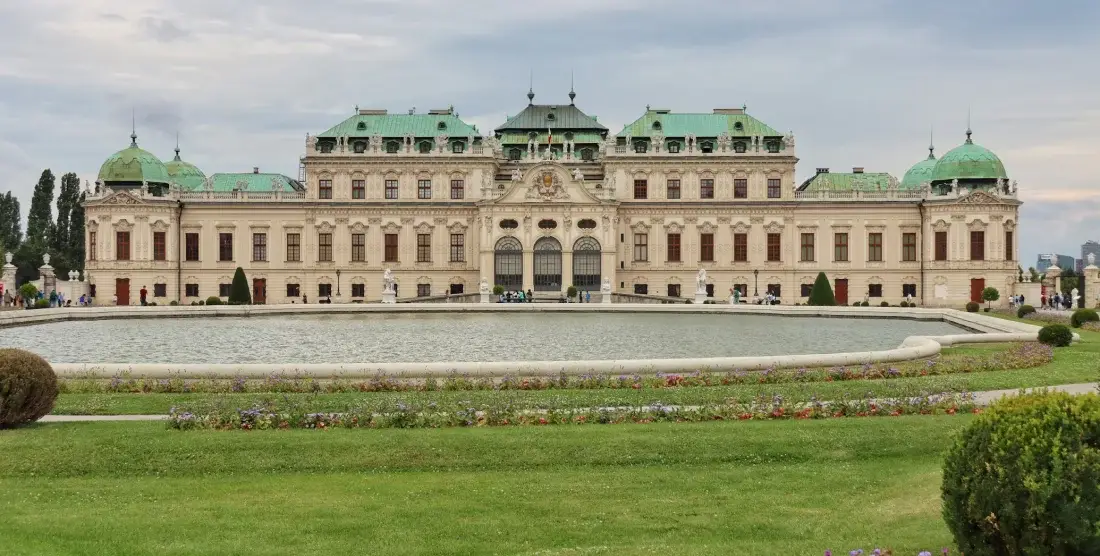
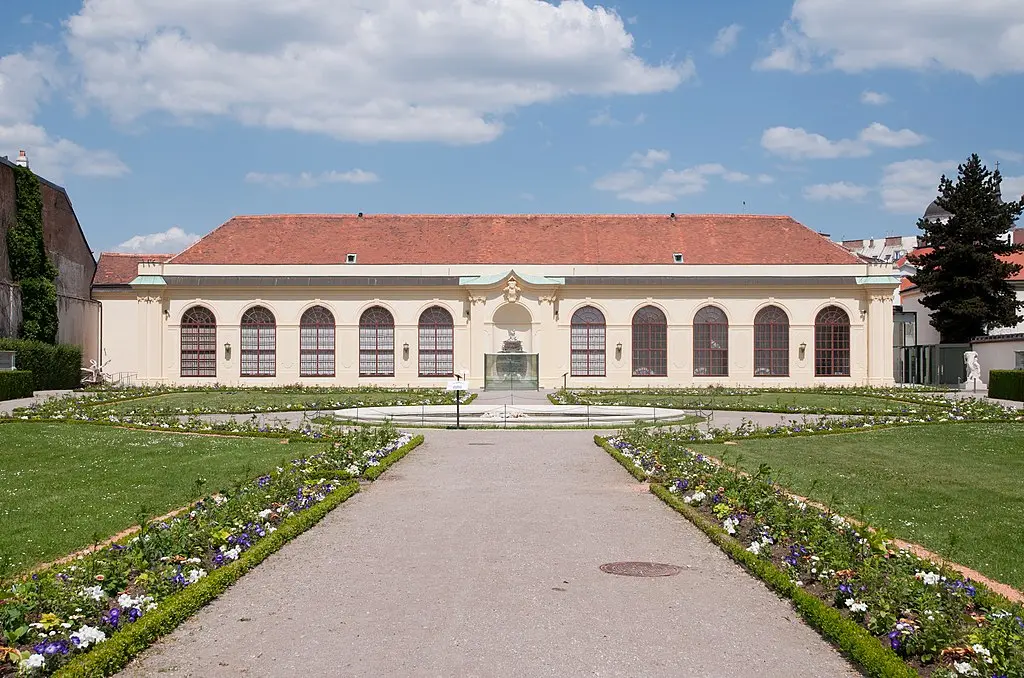

The story of Belvedere Palace began when Prince Eugene of Savoy, a brilliant military commander, sought a summer residence that would reflect his immense success. Construction started in the early 18th century, led by the architect Johann Lukas von Hildebrandt, one of the most renowned masters of the Baroque style.
Unlike other palaces that belonged directly to the Imperial family, the Belvedere began as the private estate of a war hero. However, following the Prince’s death, Empress Maria Theresa acquired the complex. Perhaps the most fascinating detail is that, by the late 18th century, the Upper Belvedere had become one of the world’s first public museums; the Imperial family decided to move part of their art collection there so it could be admired by the general public.
Beyond its cultural role, there is a key historical fact you should know: the palace was the setting for the signing of the Austrian State Treaty in 1955, the very document that restored independence to the country following World War II.
If you decide to visit Belvedere Palace, there are a few spots you simply can’t miss:
The Belvedere is designed for those who appreciate visual beauty and art without the need to trek through miles of hallways. It’s important to note that the Belvedere is primarily an art museum; unlike Schönbrunn Palace, it does not offer access to historic rooms furnished with original period pieces. If your main interest lies in imperial interior design and the daily lives of monarchs, this might not be the place for you.
On the other hand, its location is a huge plus. As one Facebook user points out: “It’s closer to the city center so you can visit and still get a lot of other sightseeing in on the same day.”
Ultimately, it’s the ideal choice if you want to see something spectacular without committing the five or six hours required by a larger complex like Schönbrunn.
Schönbrunn is one of Europe’s most breathtaking palaces. Upon arrival, you are greeted by a vast courtyard painted in “Schönbrunn Yellow,” a shade that eventually became the standard for imperial buildings.
Inside, you will find pure opulence: crystal chandeliers, silk tapestries, and walls adorned with gold leaf. Every room tells a specific story of the Habsburgs, one of Europe’s most powerful and influential dynasties. For centuries, they ruled over vast territories, expanding their influence through inheritance, strategic marriages, and political alliances.
Beyond the lavish interiors, Schönbrunn’s gardens are equally magnificent. Designed in the Baroque style, they feature perfectly manicured lawns, ornate fountains, and grand avenues that lead the eye toward the horizon. You can wander through the sprawling grounds, discovering statues, and even a small zoo (the oldest in Europe).
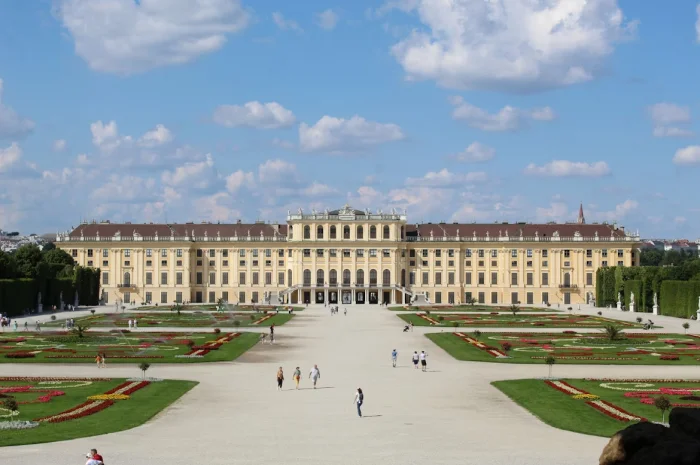
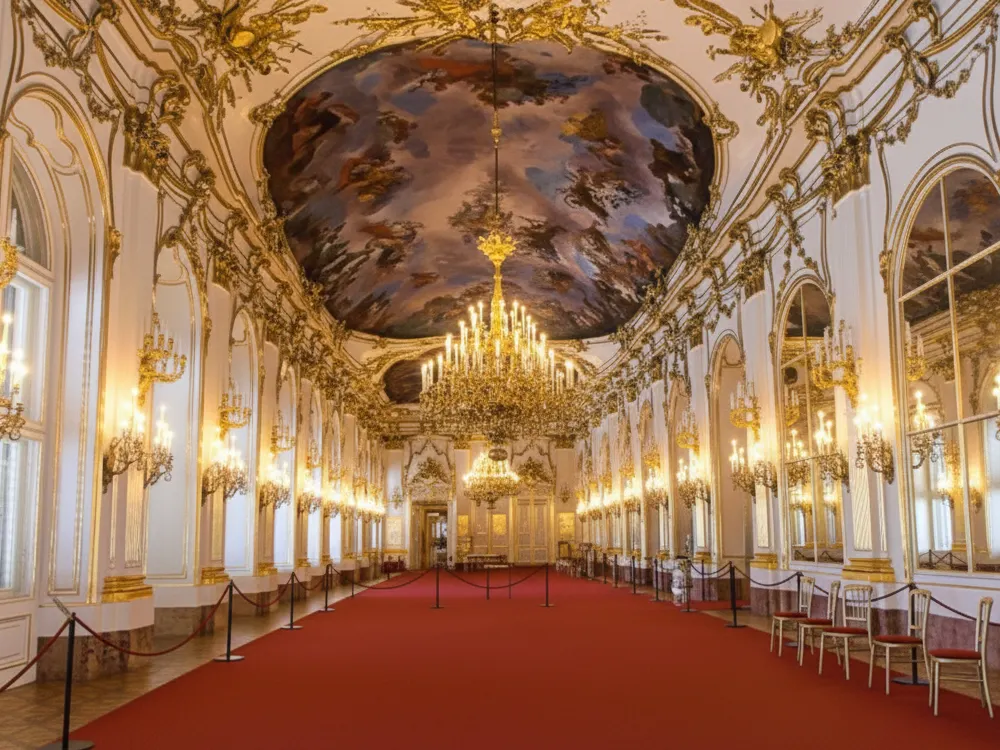
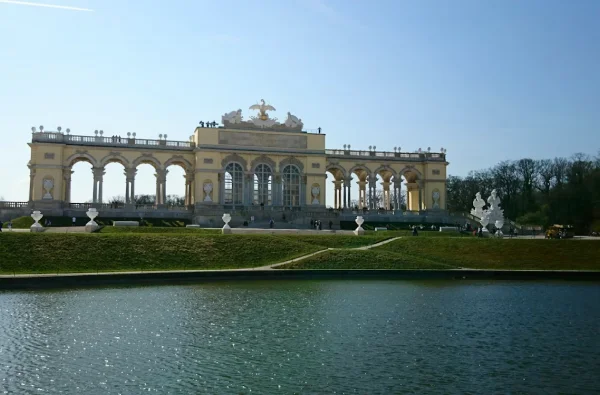
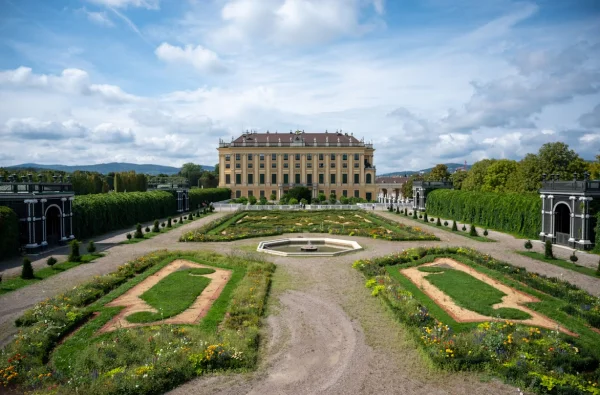
Schönbrunn Palace has gone through many phases. It was originally a hunting lodge, but in the late 17th century, Emperor Leopold I (one of the most prominent monarchs of the Austrian branch of the Habsburgs) commissioned the construction of a royal palace. Leopold I personally oversaw the initial designs, commissioning architects and artists to create a space that reflected both the power of the Habsburgs and their refined taste, laying the foundations for what would later become one of Europe’s most grand imperial residences.
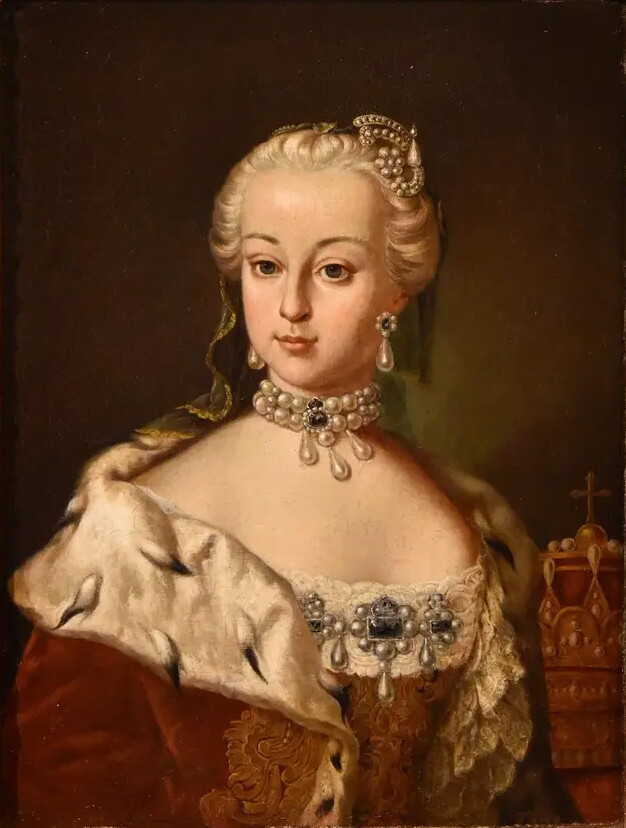
It was during the 18th-century reign of Maria Theresa (the only woman to rule the Habsburg dominions) that Schönbrunn Palace reached its peak splendor and became the official summer residence of the court. She was the one who gave the palace the personal and majestic touch we know today, transforming it into the social and political heart of the empire.
Decades later, the palace remained a key site for the Imperial family: it was the birthplace and passing place of Emperor Franz Joseph I, remembered for his long reign and steadfast sense of duty. It was also where the famous Sissi, his wife, spent much of her life, known for her independence, beauty, and restless spirit within the strict confines of court life.
The palace is more than just a building; it is a symbol of the absolute power and longevity of one of the most influential families in European history. Walking through its rooms is, quite literally, walking through the very setting where the fate of half the continent was decided for centuries.
A visit to Schönbrunn Palace is quite extensive, so if you’re short on time, it’s best to prioritize these spots:
This palace is for travelers who want the full imperial experience and aren’t in a hurry. Are you one of them? If so, keep in mind that Schönbrunn is located away from the city center, so you’ll need to take the U-Bahn (line U4) and plan your timing carefully. Also, as the city’s top tourist attraction, it tends to be much more crowded, which can affect the flow of your visit—especially in the interior rooms.
Visiting Schönbrunn Palace takes significantly more time than the Belvedere, so be prepared for a lot of walking. It is the ideal spot for architecture enthusiasts and pure history buffs. Reddit users are somewhat divided on its sheer scale. On one hand, someone mentioned: “I am a huge palace/castle nerd so Schönbrunn was an absolute can’t miss for me. Plus they have gardens and the Zoo in the back!” However, others warn it can get exhausting: “Schoenbrunn is one gigantic palace and at some point going through the rooms there just got boring.” If you feel overwhelmed by crowds or very long tours, you might prefer another option.
To recap our comparison of Belvedere Palace vs. Schönbrunn Palace, here is a breakdown of the key differences between the two:
| Feature | Belvedere Palace | Schönbrunn Palace |
|---|---|---|
| Main Use | Art Gallery / Museum | Historic Residence / Heritage Site |
| Location | Relatively central (3rd District) | Outside the center (13th District) |
| Visit Duration | 2 - 3 hours | 4 - 6 hours (or a full day) |
| Crowds | Moderate | High (especially in peak season) |
| Best For | Art lovers and aesthetics | Families and imperial history buffs |
| Interiors | Museum galleries | Royal apartments, original furniture |
| Exteriors | Symmetrical French gardens | Vast grounds, zoo, hills, and fountains |
Most definitely, but it depends on what you are looking for. In the case of Schönbrunn Palace, going inside is essential if you want to witness the true wealth of the Habsburgs, while the Belvedere is a must if you are a fan of Klimt.
Many travelers wonder if just exploring the grounds is enough, but the reality is that the interiors complete the historical narrative. As one traveler online aptly put it: “It’s not the palaces themselves that draw and attract me, but rather the whole shebang – palace(s), grounds, gardens, settings, etc.”
Without a doubt! Some travelers even go as far as to say: “We preferred our visit to Schonbrunn over Versailles.” The advantage of the Viennese palaces is their excellent state of preservation and how well the stories of magnetic figures like Sissi or Maria Theresa are told. This makes the visit feel very human and less ‘impersonal’ than other European monuments.
Yes, but you’ll end up exhausted. If you decide to go for it, our advice is to start very early at Schönbrunn, as it’s the most time-consuming and gets the most crowded. According to one Reddit user: “If you just visit the palace of Schönbrunn + walk up to Gloriette both is possible in a single day.” After lunch, you could head over to the Belvedere to enjoy the art at a more relaxed pace.
However, keep in mind that you’d be spending almost your entire day at two Baroque palaces, which might feel repetitive. If you only have one day, it might be better to re-read the comparison between Schönbrunn and Belvedere and perhaps combine one of them with a walk through the city’s historic center.
Gustav Klimt’s The Kiss is on permanent display at the Upper Belvedere. It is important not to confuse it with the Lower Belvedere, which is typically used for temporary exhibitions.
BELVEDERE PALACE TICKETS

TRAVELER INFORMATION
BELVEDERE PALACE INFORMATION
The Belvedere Palace complex is more than just two palaces; it is a cultural treasure trove that offers a comprehensive look into Vienna’s… see more


