

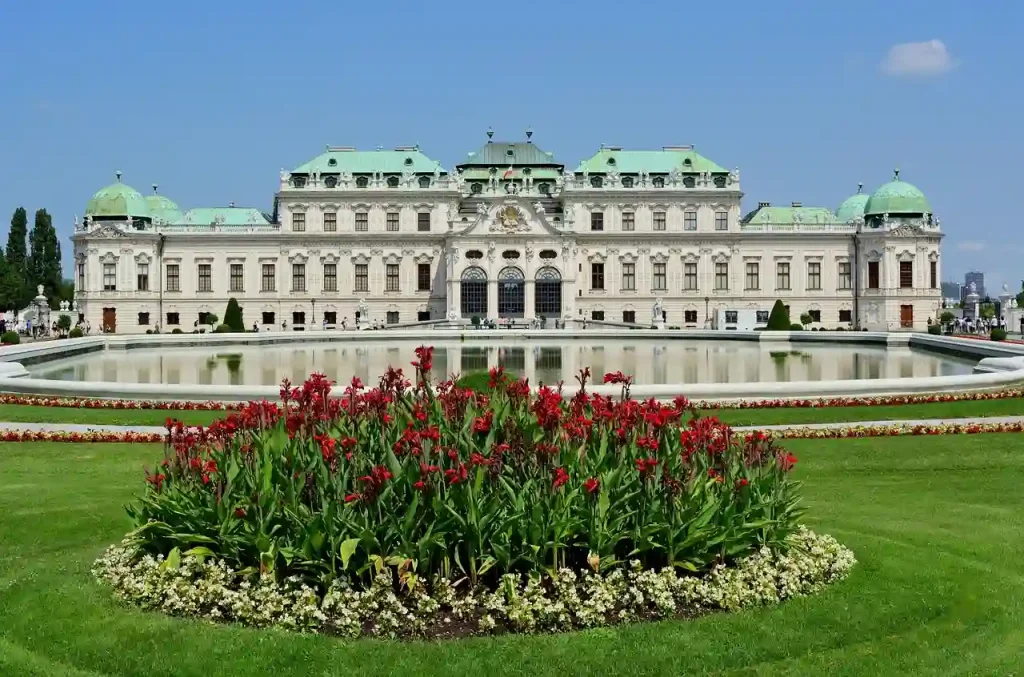
The Belvedere Palace Gardens in Vienna constitute a complex of various green spaces with different styles and functions that architecturally unite the residences of the complex. Here we will detail what is in each one and what their history is.
Support when you need it
Customer support to help you with everything you need from 8.00 a.m. to 6.00 p.m.

Fast and online booking
Choose the best option for your needs and preferences and avoid the lines booking here

#2 Attractions in Vienna
Explore Belvedere Palace in Vienna: Baroque beauty, lush gardens, and Klimt's iconic art.
First of all, we must mention that access to the gardens is free for all visitors throughout the year, with the exception of the Alpine Garden which requires a specific ticket. Therefore, visitors can walk through its spaces, admire its plants and fountains, or enjoy views of the city without needing to purchase a ticket for the palaces.
The Belvedere Gardens preserve the original 18th-century design and offer a unique perspective of imperial landscaping and scientific botany in Austria. This “Schlossgarten” (a term originating from German that translates as ‘palace garden’) consists of a designed landscape that follows the strict symmetry of the French Baroque style, integrating tiered fountains, mythological sculptures, and gravel paths. They are a landscape ensemble that is divided into areas with distinct functions and aesthetics that consolidate their value as a tourist and historical destination. As a Reddit user rightly points out: “The gardens (which are free) are a must.”
These are the gardens that compose the complex in its entirety:
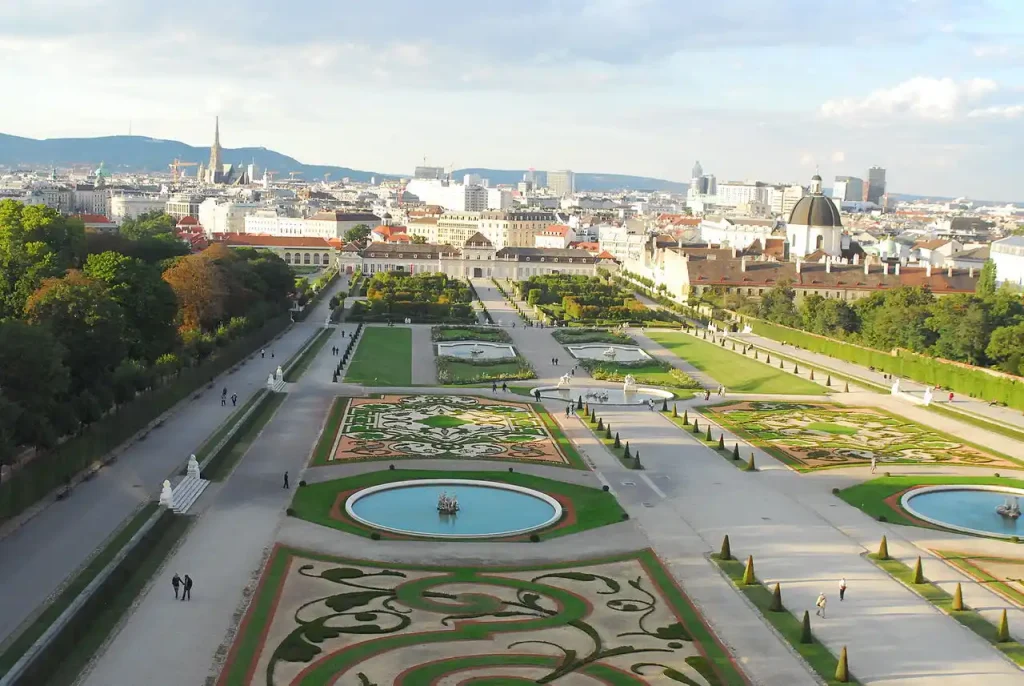
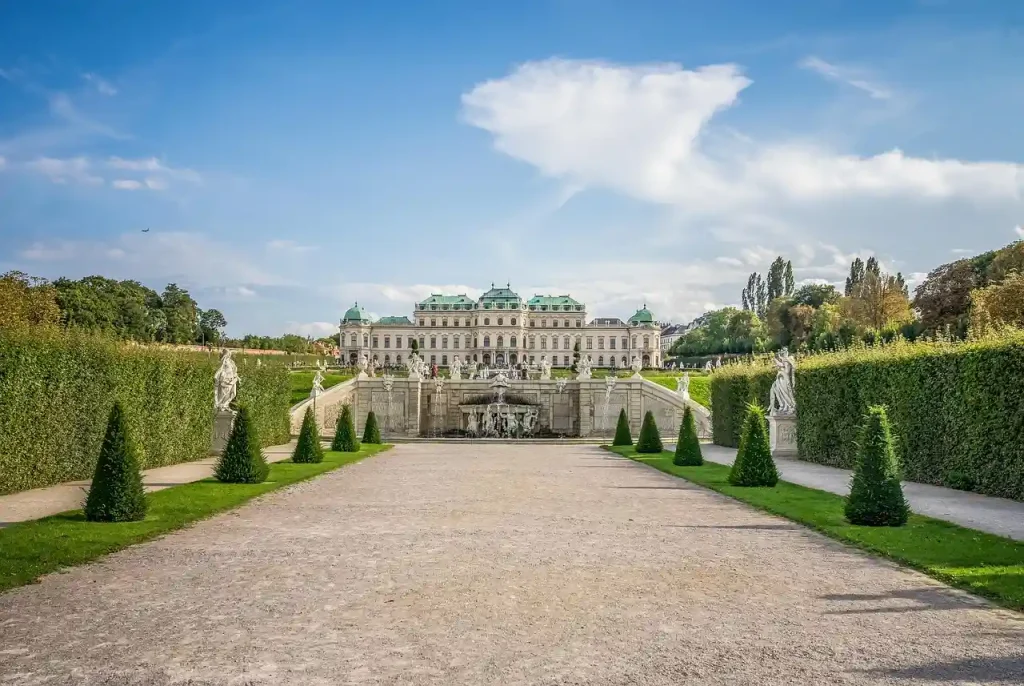
The main Baroque Garden constitutes the central axis that architecturally connects the two palaces. This space is characterized by its wide broderie parterres, tiered fountains, and grand sculptural decoration. Cascades flow from the upper levels toward the lower ones.
Additionally, mythological figures and sphinxes dominate the landscape, guiding the visitors’ gaze toward the city of Vienna. The design seeks monumentality, using the natural slope of the terrain to generate a sense of vastness and power.
Photo: “Schlosspark Belvedere Wien” by LuMaBe.
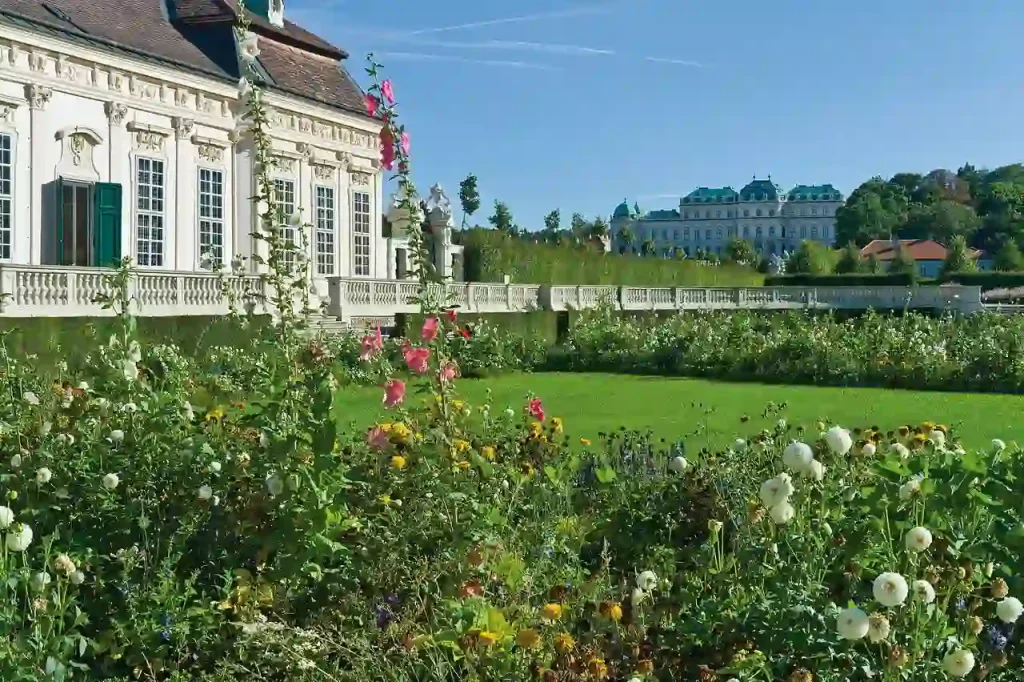
The privy garden, known historically as the “Kammergarten”, offers a much more intimate and sheltered environment than the main axis. This space was originally designed as an exclusive retreat for Prince Eugene of Savoy, one of the most important military strategists in European history, key to the rise of the Austrian Empire as a great power.
The garden is divided into two terraces and is characterized by delicate floral parterres and structures that allowed the prince to enjoy nature in total privacy, away from the public functions of the court.
Photo: “Kammergarten des Schloss Belvederes” by LuMaBe.
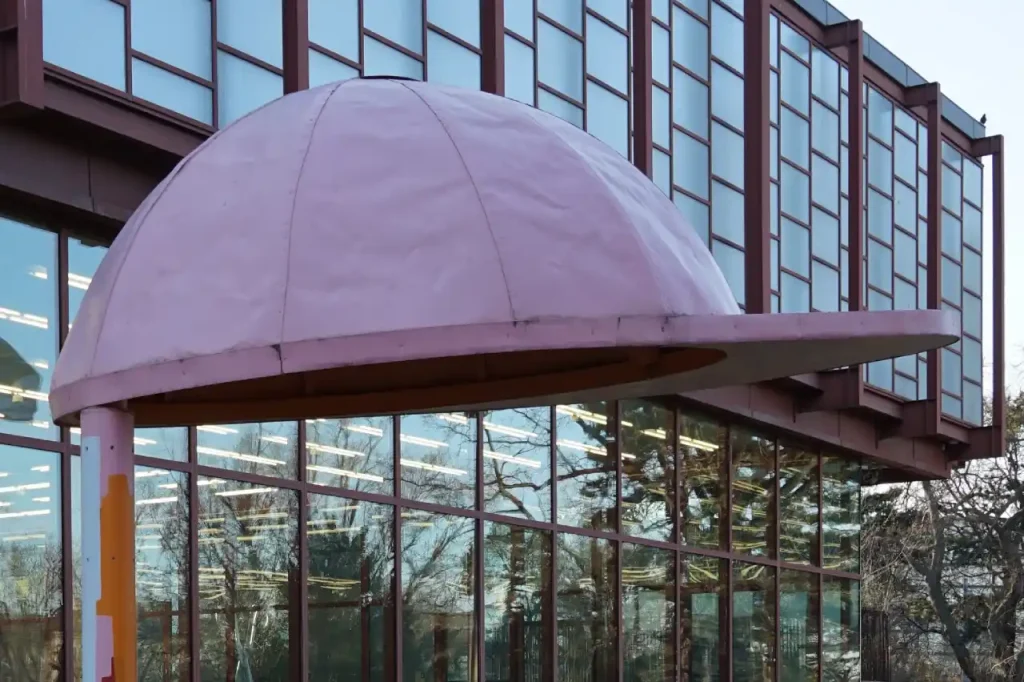
The Sculpture Garden is located in the area surrounding the Belvedere 21 museum, extending toward the exterior zones of the complex. Unlike the classical and mythological sculptures of the Baroque garden, this space is dedicated to modern and contemporary art.
It features works by international and local artists, such as the one by Maruša Sagadin titled “B-Girls, go!”, a large-format piece that reinterprets a baseball cap through a language that fuses architecture, design, and pop art.
This garden achieves a fluid transition between the historical legacy of the Habsburgs and current artistic expressions, consolidating the Belvedere as a space where different eras of art coexist.
Photo: “Marusa Sagadin – B-Girls, Go!” by 1rhb.
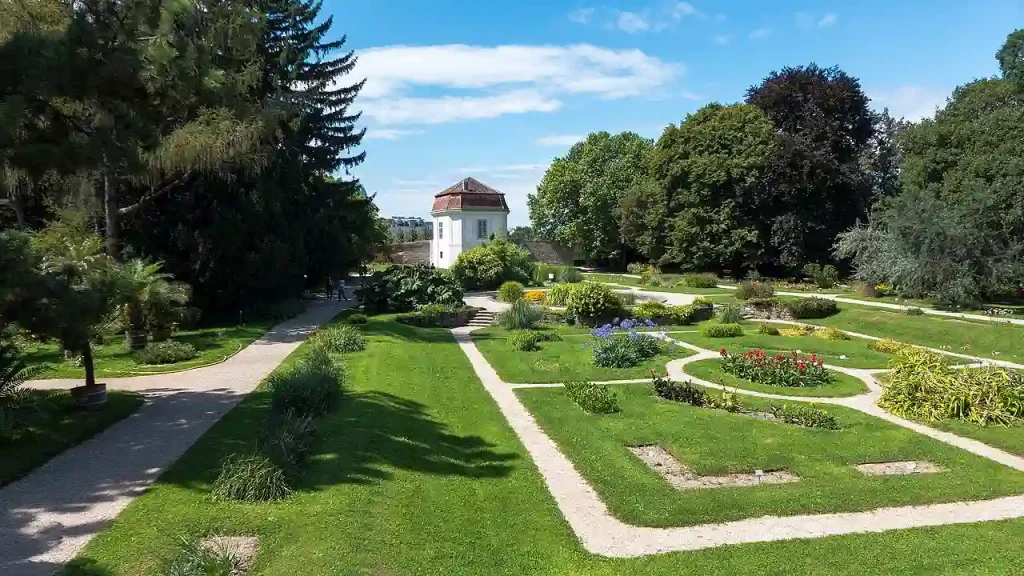
The Botanical Garden of the University of Vienna forms part of the complex’s green belt. It was founded in 1754 by Empress Maria Theresa, the only woman who ruled the Habsburg dominions and one of the most influential sovereigns in European history.
This 8-hectare space houses approximately 11,500 species of plants from all over the world. The garden serves functions of research, conservation of endangered species, and public education.
Photo: “Wien 03 Botanischer Garten 03” by Gugerell.
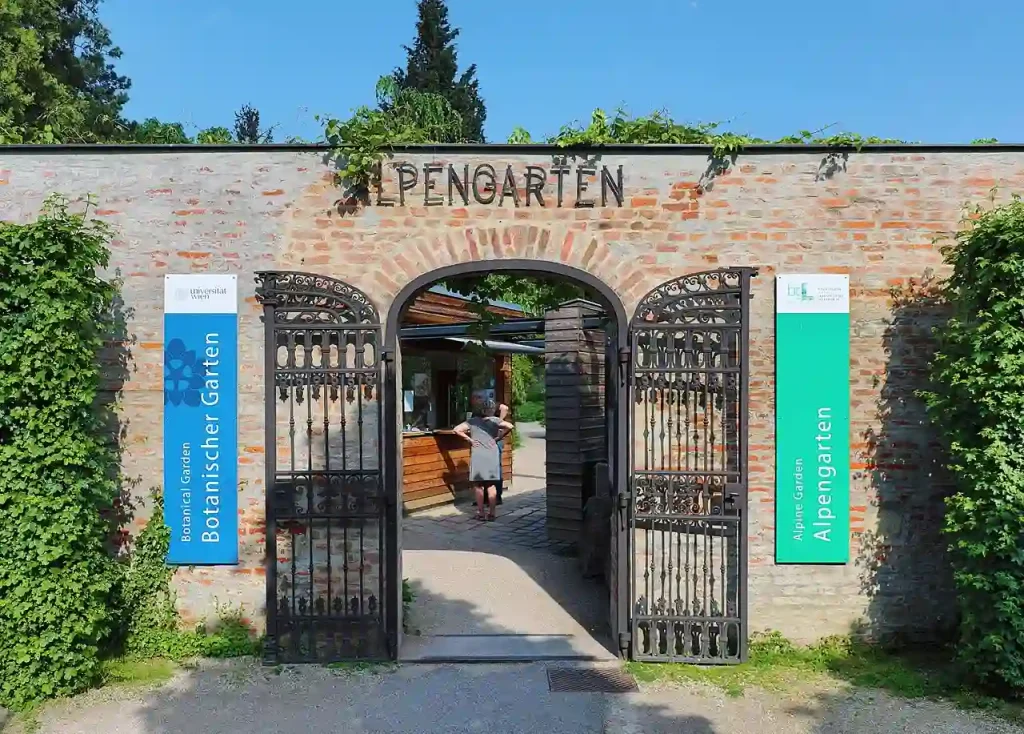
The Alpine Garden stands out for being one of the oldest specialized botanical gardens in Europe. This sector aims for the preservation and exhibition of the rich flora of the Alps, as well as other mountainous regions of the world.
Unlike the geometric rigidity of the Baroque areas, this sector presents a more organic layout, with rockeries and narrow paths that allow for close observation of rare and protected plant species during their spring flowering periods. As we mentioned previously, it is necessary to buy an access ticket to visit it.
Photo: “Wien – Alpengarten, Portal” by Bwag.
The Belvedere Palace is an essential landmark in Vienna’s 3rd district, accessible by public transport and on foot from the center. To fully enjoy the Belvedere (“Schlossgarten”), it is fundamental to know the access hours and entry points, as the complex has multiple entrances that connect with the different gardens and buildings that form part of this historical imperial enclosure.
The opening hours of the gardens vary according to the space and the season of the year. These are the official hours for each of the gardens:
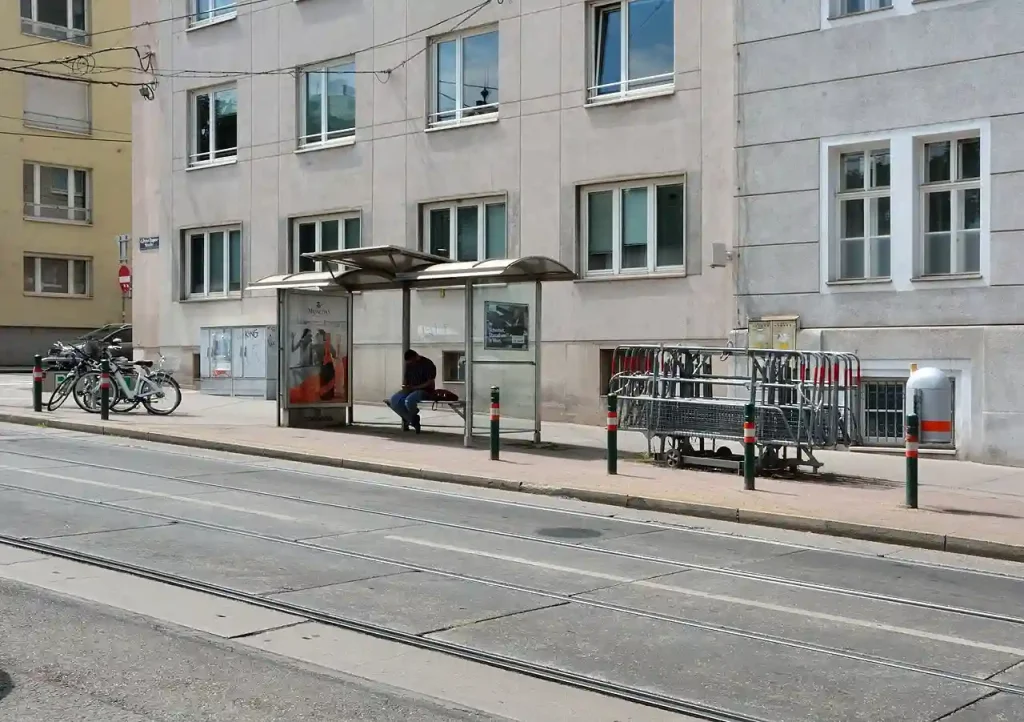
Access to the Belvedere gardens in Vienna is simple via the urban transport network:
Photo: “Tram stop Schloss Belvedere, Vienna” by Herzi Pinki.
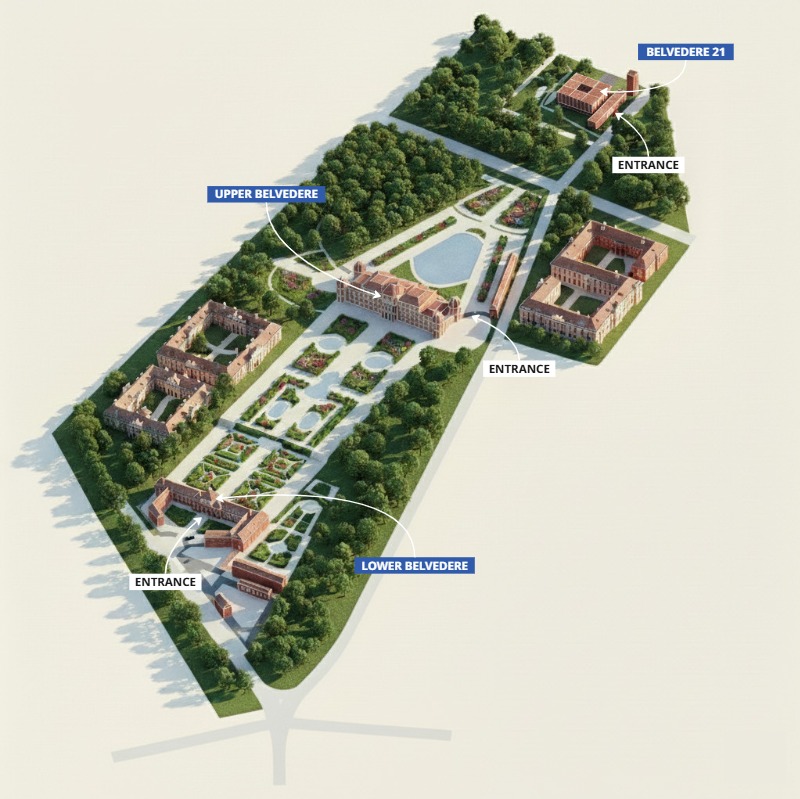
The garden system of the Belvedere Palace sits at the center of a significant cultural axis:
A network of symmetrical paths connects these various sites, creating a seamless flow between historical Baroque architecture and 20th-century design. This strategic layout facilitates a comprehensive tour of multiple cultural landmarks within a single, integrated perimeter.
The gardens of the Belvedere Palace act as the physical link between the two large buildings of the complex: the Upper Belvedere and the Lower Belvedere. While access to most of the green areas is free, entry to the interior of both palaces and the Alpine Garden requires the payment of a specific ticket. These buildings function today as museums that house collections from the Middle Ages to contemporary art.
The proximity between these points and the various gardens allows the visitor to alternate a walk through nature with the observation of masterpieces of European art. It is important to highlight that the palaces are paid museums, so it is recommended to plan the visit if you wish to access the interior galleries of these two great buildings:

The Upper Belvedere is located at the southern end of the complex. This building houses the museum’s most important permanent collection, highlighting Austrian art from the 19th century to the present. Inside, iconic works of Viennese Modernism are exhibited. The rooms preserve their original Baroque decoration, including the Marble Hall, a space of great historical relevance for the Austrian nation.
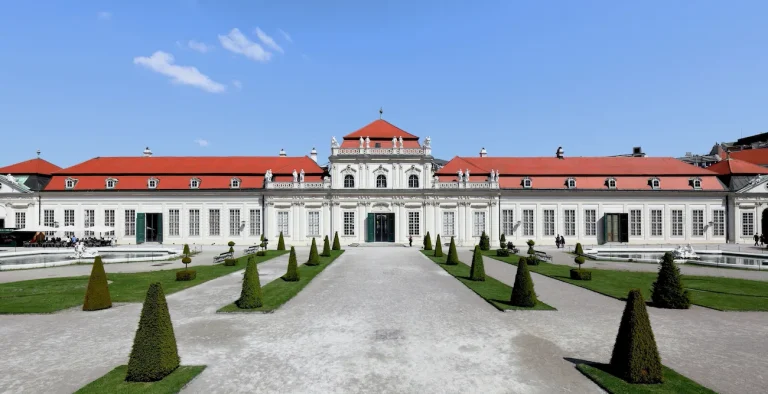
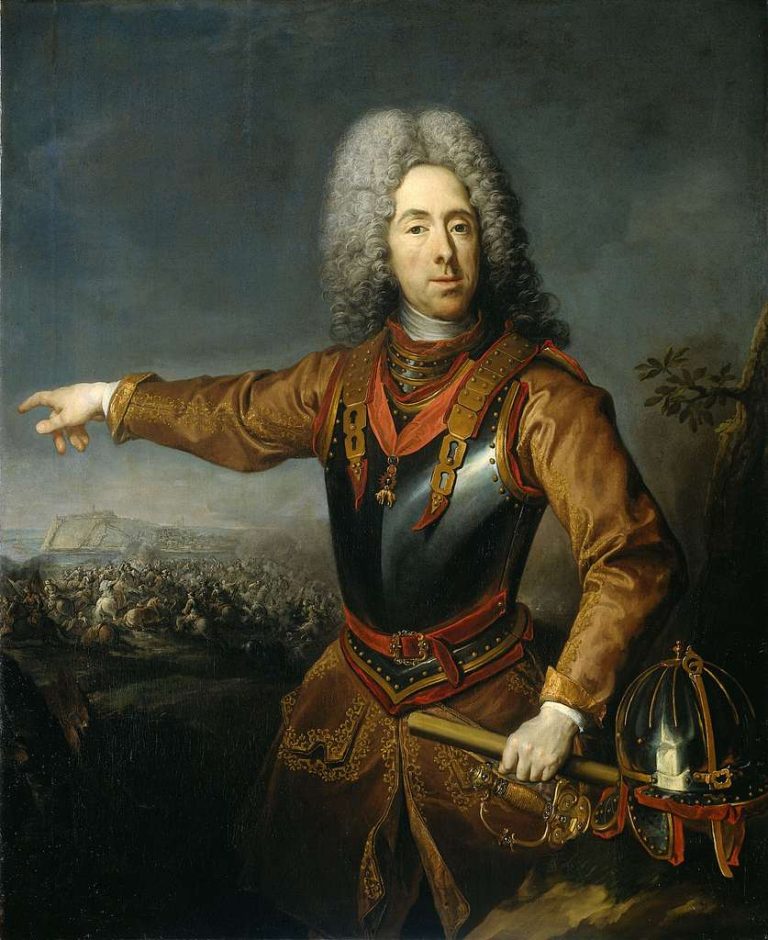
The construction of the palace and the Belvedere gardens began at the beginning of the 18th century commissioned by Prince Eugene of Savoy who, as we detailed previously, was a successful military leader of the Holy Roman Empire. Following his military victories, the prince decided to create a summer residence that reflected his status.
The architect Johann Lukas von Hildebrandt designed the buildings, while Dominique Girard, a disciple of André Le Nôtre, was in charge of the landscaping. The execution of these gardens was a work of massive engineering that transformed a hill on the outskirts of the city into a world-reference palatial complex.
The Lower Belvedere was completed in 1716 to serve as the main residence. Subsequently, in 1724, the Upper Belvedere was finished, conceived as an art gallery and reception space. The name “Belvedere,” which means “beautiful view,” was consolidated after the prince’s death in 1736.
Empress Maria Theresa acquired the property in 1752, and under Habsburg rule, the Upper Belvedere was transformed into one of the first public museums in the world in 1781. The intention was to democratize access to the royal collections, a revolutionary concept for the time.
The lower level of the gardens represents the domain of the four elements; the middle level symbolizes Parnassus and the upper level is dedicated to Olympus. This hierarchical structure sought to exalt the figure of Prince Eugene as a man of culture and order. The fountains, cascades, and statues are part of a narrative that celebrates the triumph of civilization over chaos, a recurring theme in Baroque art.
Throughout the 19th and 20th centuries, the complex was the setting for definitive historical events. It was the residence of Archduke Franz Ferdinand before his assassination in 1914. After the fall of the monarchy in 1918, the State assumed ownership of the site. In 1955, the signing of the Austrian State Treaty in the Upper Belvedere returned independence to Austria after World War II. Understanding these milestones allows the visitor to appreciate that the gardens of the Belvedere Palace are a living monument of European history and not a simple ornamental park.
It is not free to visit the interior of the palaces. Although the gardens of the Belvedere Palace are indeed free for the general public, the art galleries found within the Upper and Lower Belvedere require the purchase of specific tickets.
The famous work “The Kiss” by Gustav Klimt is located in the Upper Belvedere. This painting is the centerpiece of the museum’s permanent collection and is exhibited in the section dedicated to Viennese Modernism. Visitors interested in seeing this masterpiece should head to the palace situated at the highest part of the gardens.
People who wish to visit them during the winter months should take into account that the aesthetic experience is considerably reduced at this time of year. According to a user in a Reddit thread: “Belvedere would be much nicer in any other season than winter. I went just before new years and the gardens are non-existent. However, the galleries at both ends are nice, but be prepared for reasonably large crowds.” In winter, the fountains are turned off and the plants are dormant.


