Customer support to help you with everything you need from 8.00 a.m. to 6.00 p.m.
Fast and online booking
Choose the best option for your needs and preferences and avoid the lines booking here
#2 Attractions in Vienna
Explore Belvedere Palace in Vienna: Baroque beauty, lush gardens, and Klimt's iconic art.
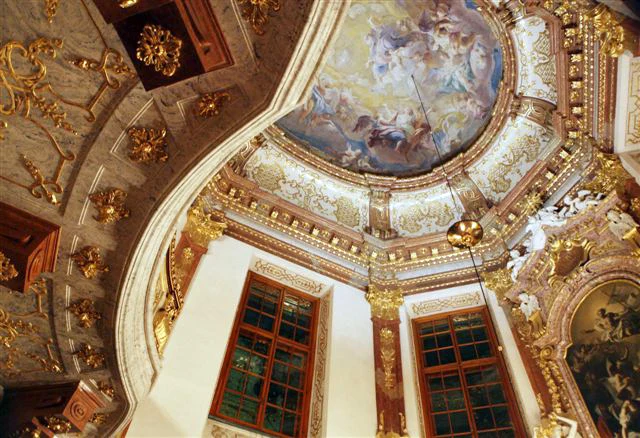
Interior of the Upper Belvedere Palace
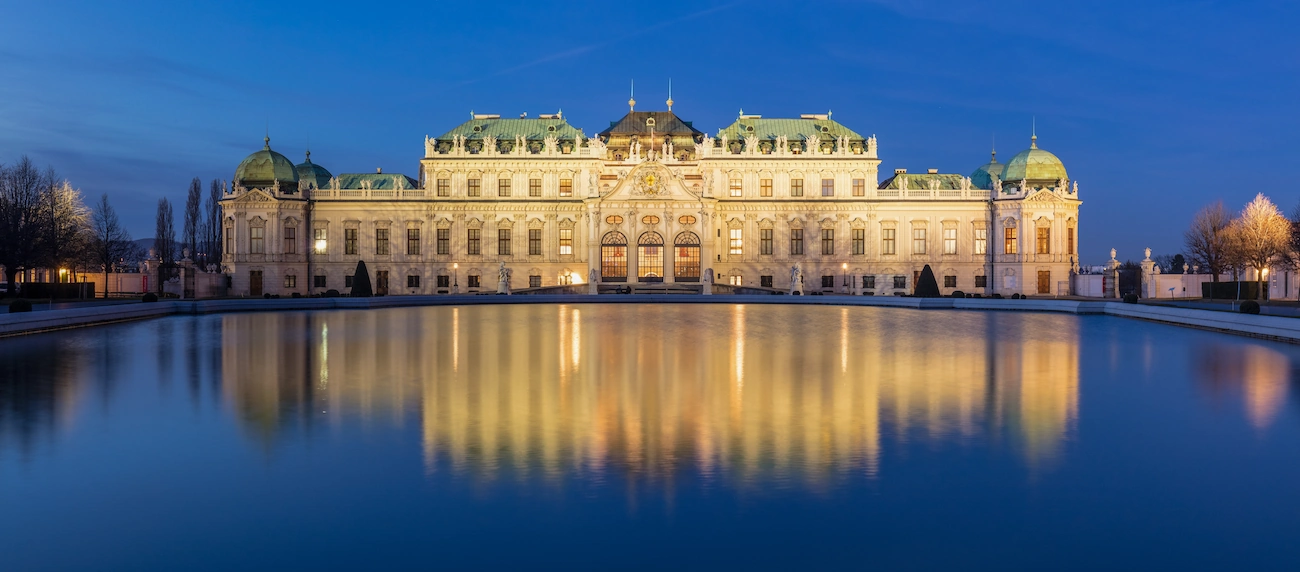
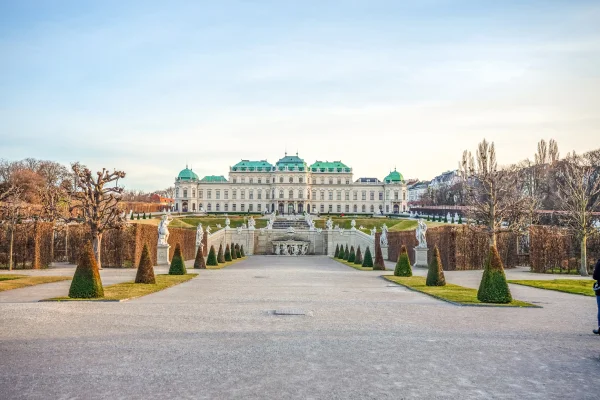
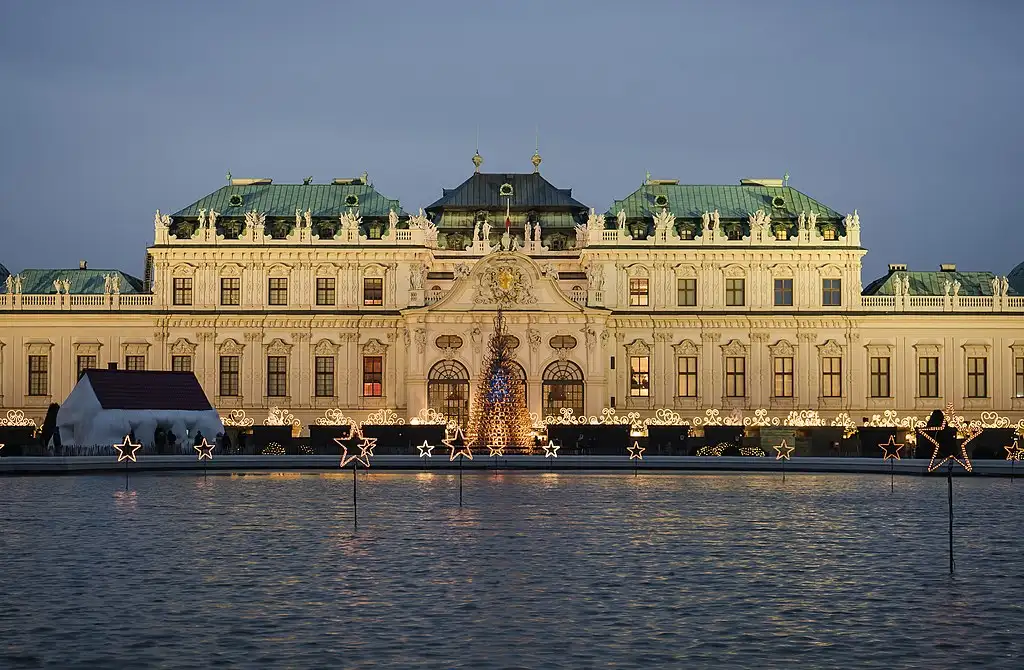
Upper Belvedere wasn’t built as a home. Prince Eugene of Savoy commissioned this palace in the early 18th century for one purpose: to impress the hell out of his guests.
Think of it as the baroque equivalent of a luxury showroom, designed by architect Johann Lukas von Hildebrandt to showcase power, wealth, and impeccable taste.
Today, this building serves as Austria’s national art gallery, housing the permanent collection that spans 800 years of Austrian art. The irony? A palace built for showing off now shows off the nation’s greatest artistic achievements.
The Marble Hall
Before we get to Klimt, you need to understand the heart of this palace. The Marble Hall (Marmorsaal) is a two-story ceremonial space that stretches through the center of the building. Look up and you’ll see Carlo Carlone’s ceiling fresco from 1720, a swirling baroque masterpiece that glorifies Prince Eugene’s military victories.
But here’s what makes this room truly special: on May 15, 1955, the Austrian State Treaty was signed right here, ending the Allied occupation after World War II and restoring Austria’s sovereignty. The government didn’t choose this location randomly. They deliberately selected the most grandiose room from Austria’s imperial past, a space that had been bombed during the war and painstakingly restored, to birth the Second Republic. That’s the kind of symbolic power this room holds.
The hall uses a technique called quadratura, essentially architectural trickery through painting that makes the ceiling seem to dissolve into the heavens. Combined with the lavish marble work, it’s designed to make you feel small and awestruck. And it works.
The Kiss and Klimt's Masterpieces
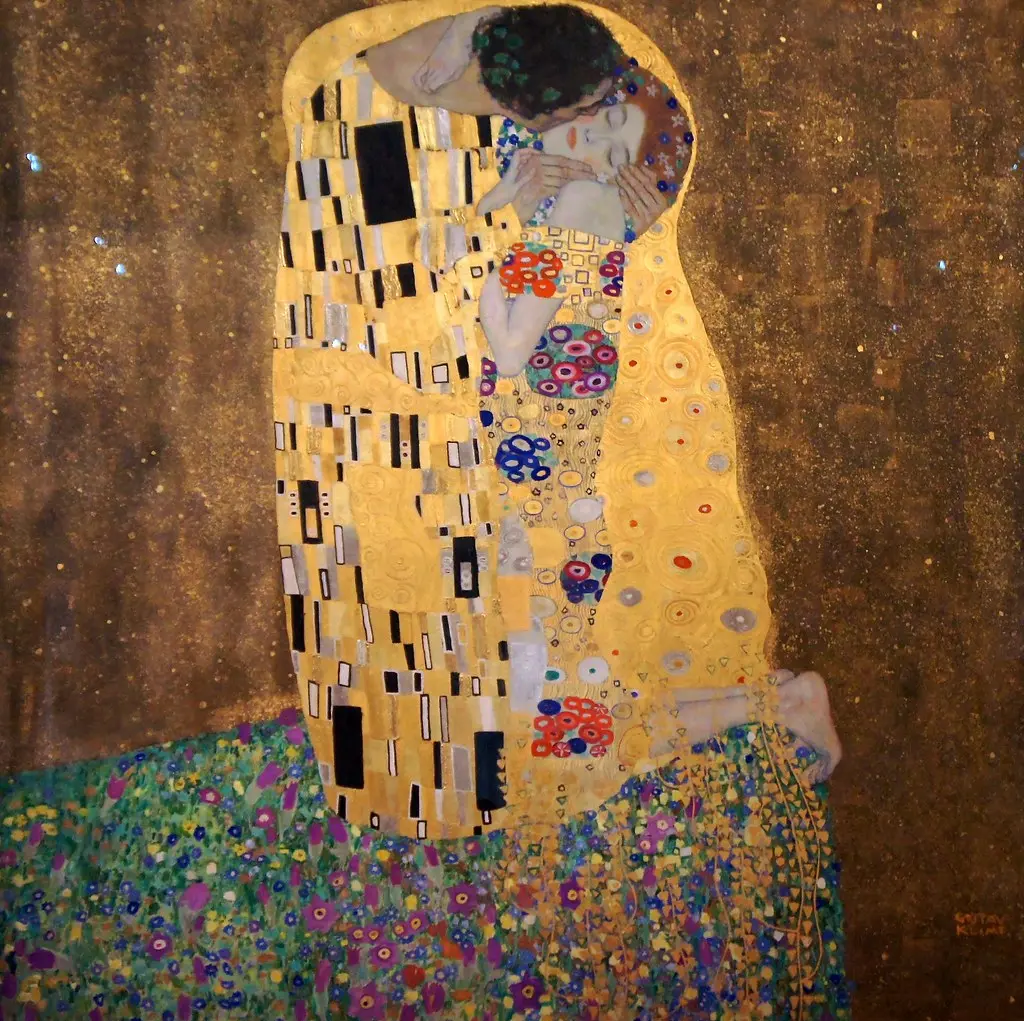
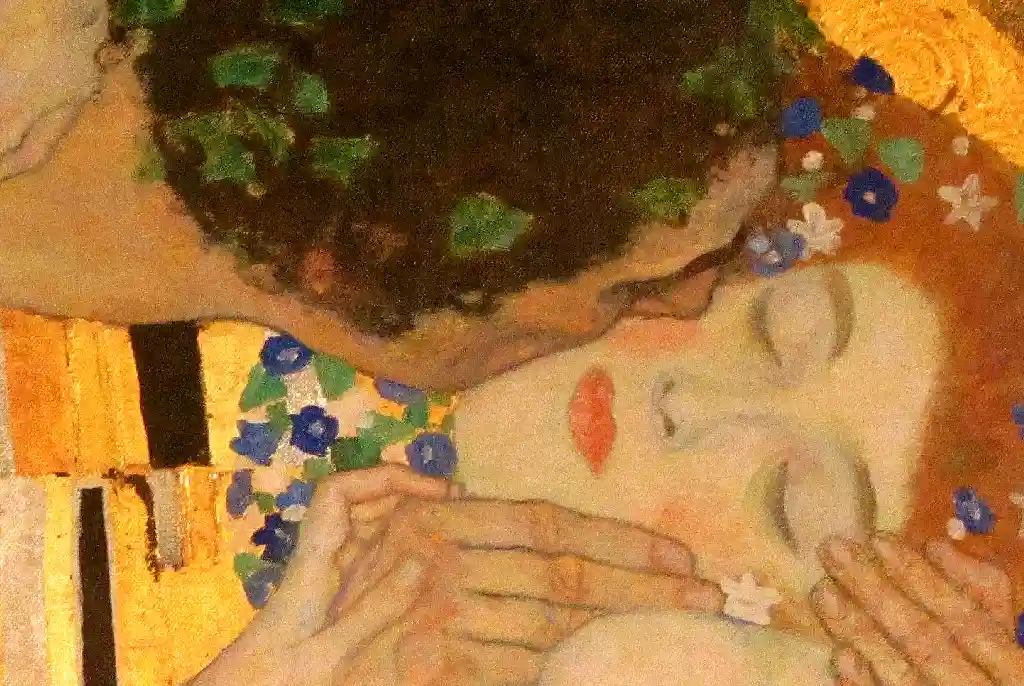
Now we get to the main event. The Upper Belvedere houses the world’s largest collection of Gustav Klimt oil paintings, with 24 works by the master. Walking into the central gallery where The Kiss (1908) hangs is an experience that stops people in their tracks.
You’ve probably seen this painting a thousand times on postcards, posters, and coffee mugs, but nothing prepares you for seeing it in person. The canvas measures roughly 180 x 180 cm, and Klimt covered it in actual gold leaf, a technique he borrowed from Byzantine mosaics. The two lovers, wrapped in elaborate robes decorated with geometric patterns and organic forms, exist in their own golden universe against a field of flowers.
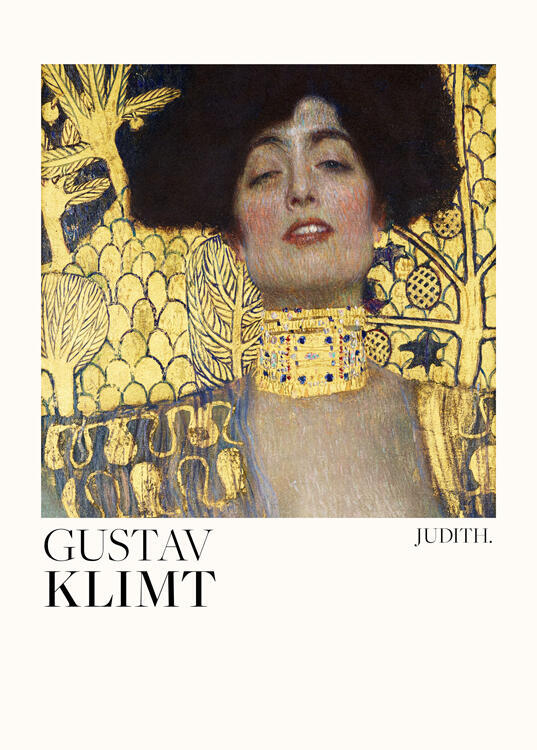
The collection doesn’t stop with The Kiss. You’ll find Judith (1901), another gold-leaf masterpiece where Klimt portrays the biblical heroine as a femme fatale dripping in sensuality. There’s also his landscapes, society portraits, and earlier works that show his evolution from academic painter to the founder of the Vienna Secession movement.
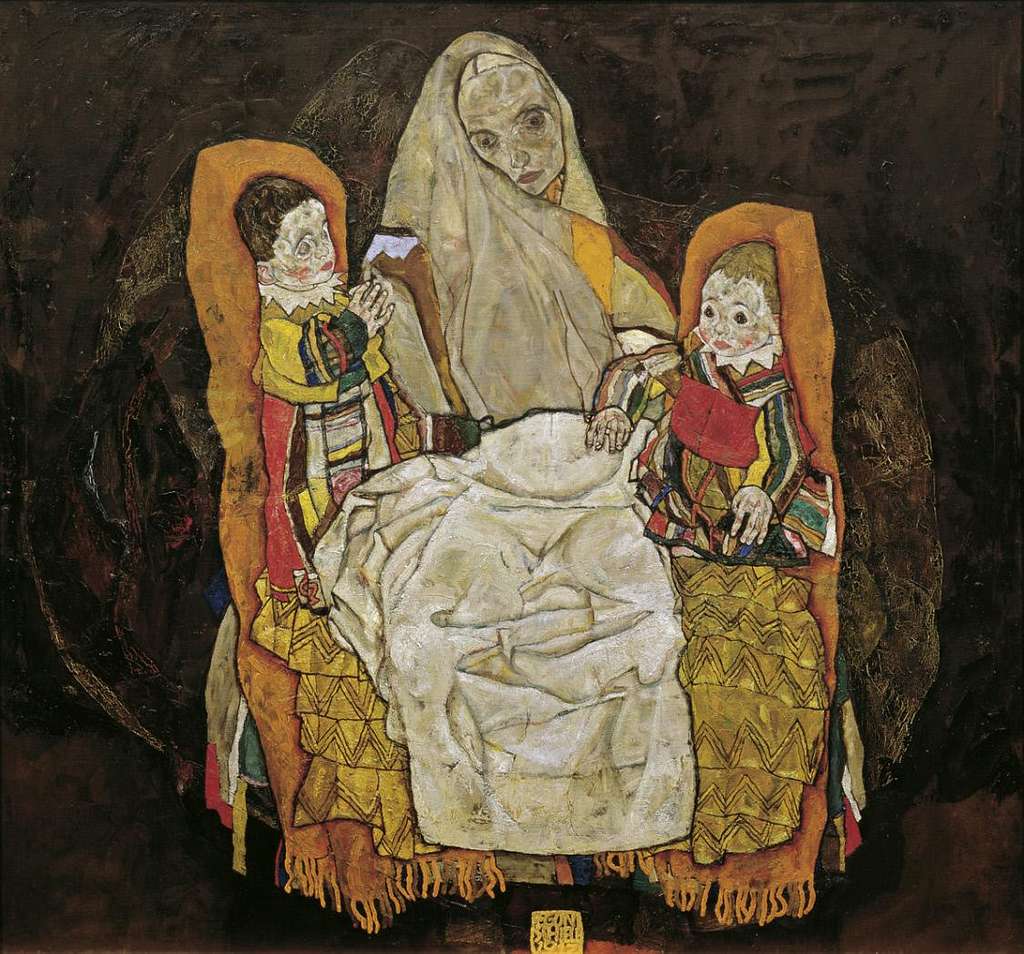
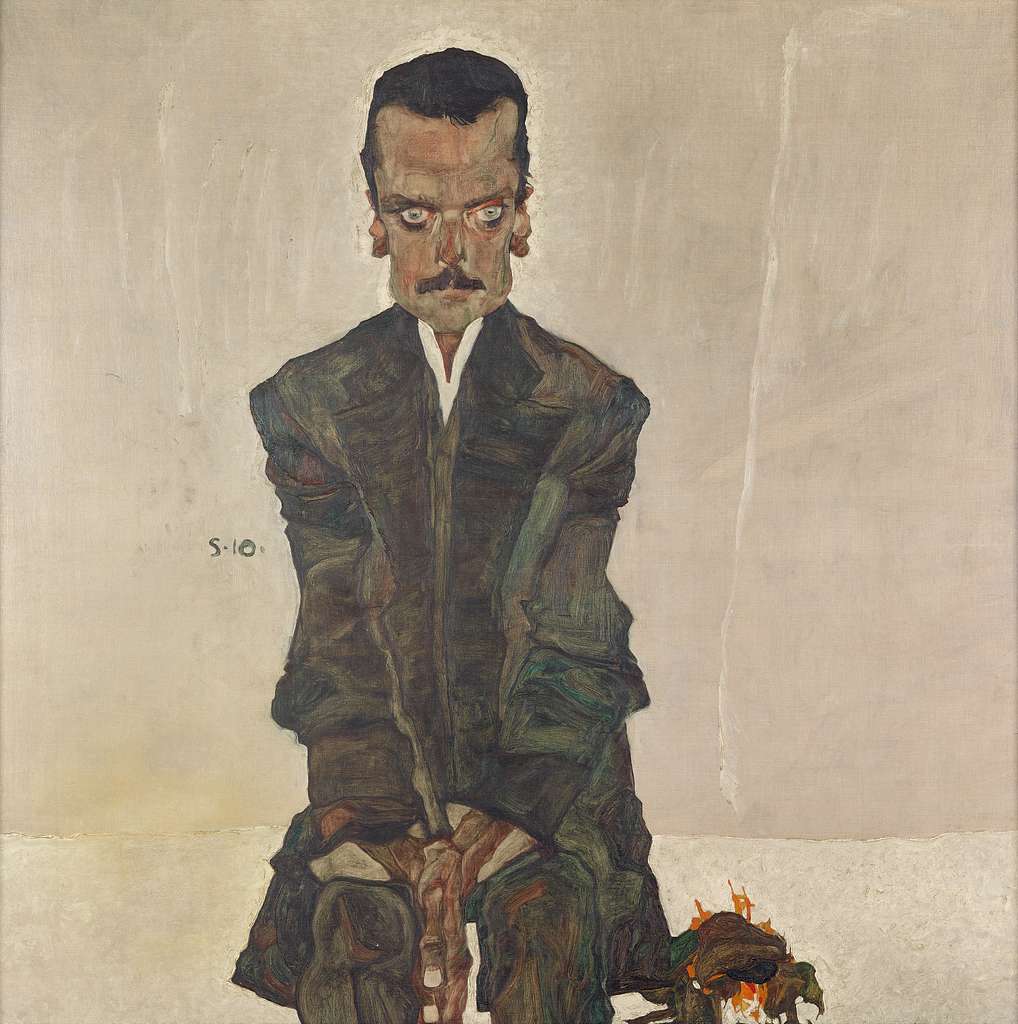
The gallery dedicated to Vienna 1900 places Klimt in context alongside his contemporaries, Egon Schiele and Oskar Kokoschka.
Inside the Lower Belvedere
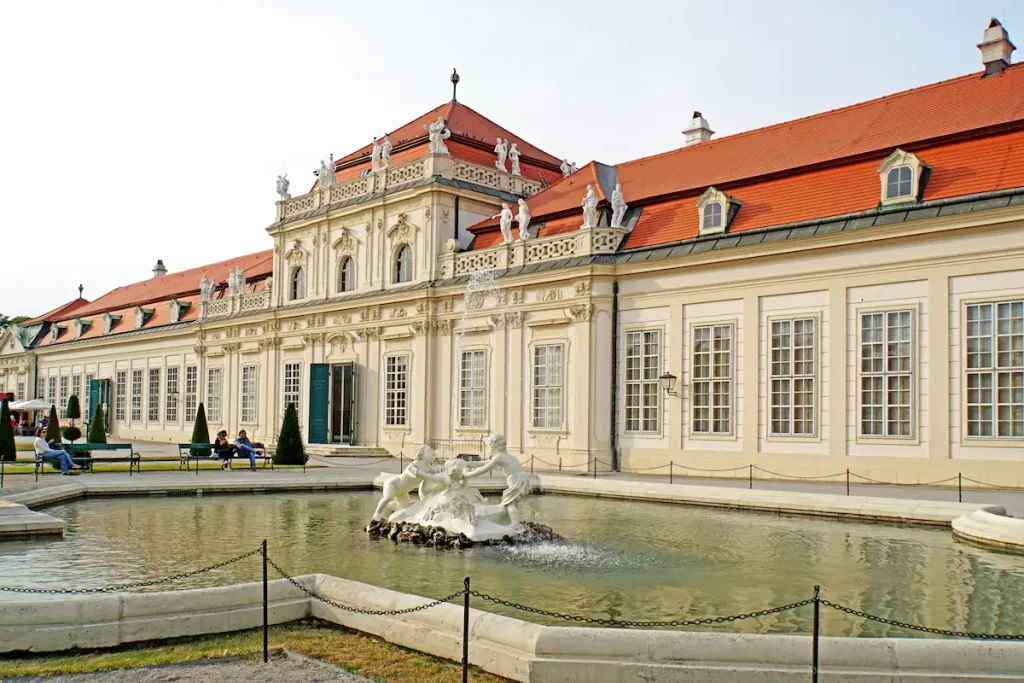
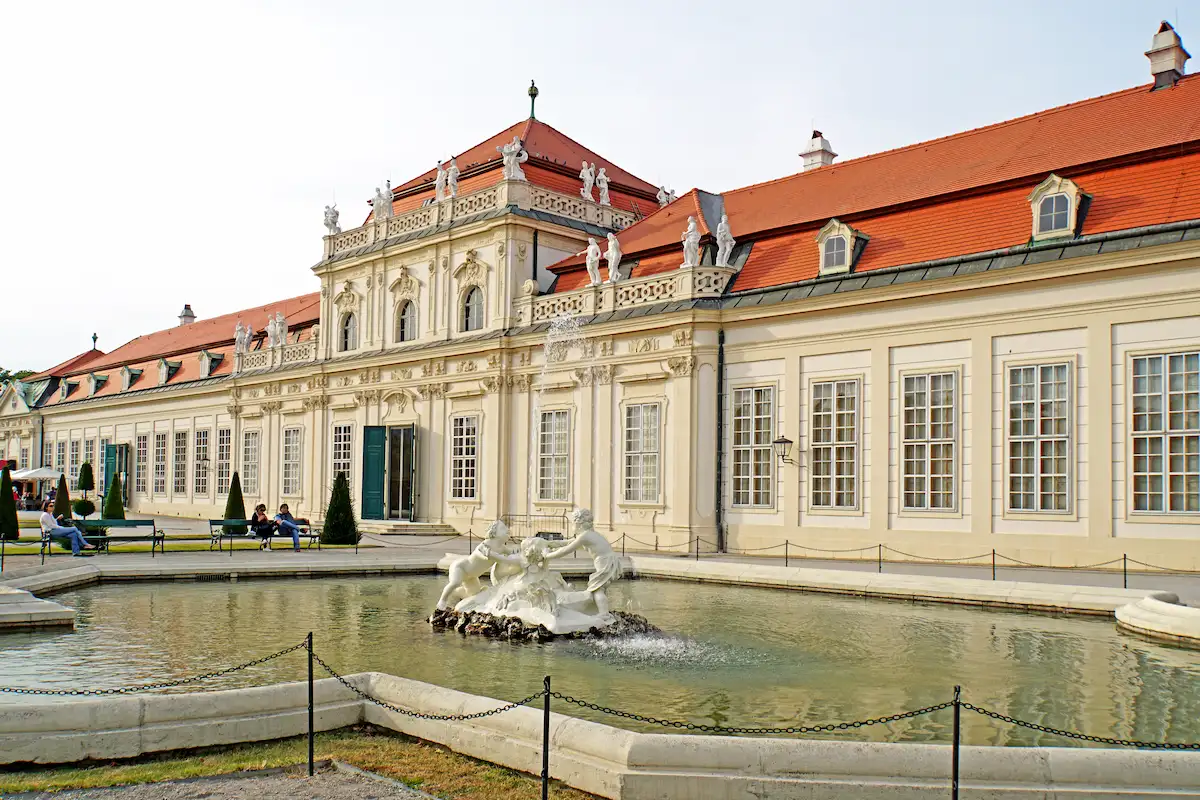
Walk down the hill to the Lower Belvedere and the atmosphere shifts completely. This was Prince Eugene’s actual residence, built between 1712 and 1717, before the showpiece palace above. These rooms were designed for living, for intimate conversations with fellow collectors and scholars, for enjoying art in private rather than parading it before ambassadors.
In the Lower Belvedere, the rooms themselves are the permanent exhibition. The palace uses these historic state rooms as atmospheric settings for high-profile temporary exhibitions, creating this fascinating dialogue between 18th-century opulence and whatever contemporary or historical art happens to be on display.
Golden Cabinet and Rococo perfection
Golden Cabinet (Goldkabinett) might be the most exquisite room in the entire complex. Originally designed as a conversation room, it was renovated under Empress Maria Theresa and became a masterpiece of rococo decoration. The name tells you everything, the walls gleam with gold decoration, punctuated by enormous mirrors and whimsical grotesque paintings.
Stand in the center and look around. The mirrors face each other across the room, creating what one observer called “an endless cascade of golden arches.” This is classic baroque theater, using mirrors to multiply space and candlelight, making the room feel infinite.
Francesco Solimena painted the ceiling in 1719, adding another layer of artistic prestige to an already stunning space.
Marble Gallery
Don’t confuse this with the Marble Hall in the Upper Belvedere. The Marble Gallery (Marmorgalerie) in the Lower Belvedere is a single-story residential gallery, magnificently decorated but designed for a completely different purpose. Historical paintings show it as the “Marble Hall of the Ambraser Gallery,” decorated with stucco reliefs and sculptures rather than ceiling frescoes.
This was where Prince Eugene displayed his sculpture collection and entertained educated guests. The scale feels human, not overwhelming.
Orangery and Palace Stables
Your Lower Belvedere ticket actually includes access to three separate buildings, which can be confusing but makes sense once you understand the layout.
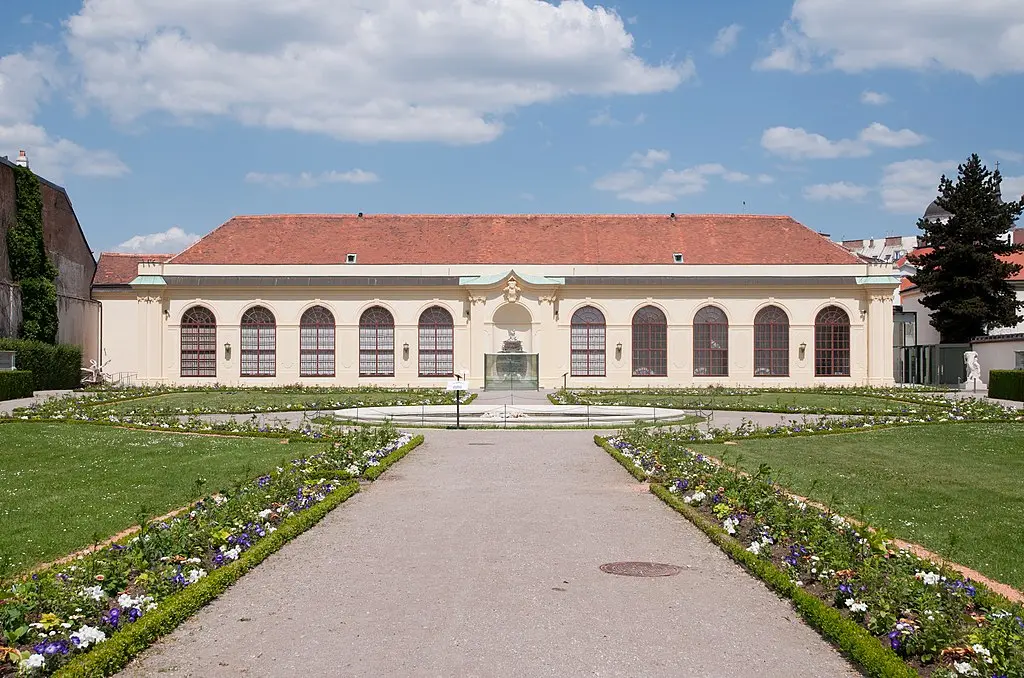
The Orangery was originally Prince Eugene’s greenhouse for protecting delicate orange trees during Vienna’s harsh winters. Today it’s been converted into a minimalist “white cube” gallery space, typically used for modern and contemporary art exhibitions that complement whatever’s showing in the main palace.
The Palace Stables (Prunkstall) deserve special mention. These weren’t ordinary stables, they were luxury accommodations for Prince Eugene’s 14 most prized riding horses. Since 2007, they’ve housed the Belvedere’s permanent collection of Medieval and Renaissance art, spanning from the mid-14th to early 16th century.
This includes the Salzburg Altarpiece by late Gothic painter Rueland Frueauf the Elder, panel paintings by Michael Pacher and Thomas von Villach, carved figures by Hans Klocker, and sandstone sculptures by the Master of Grosslobming.
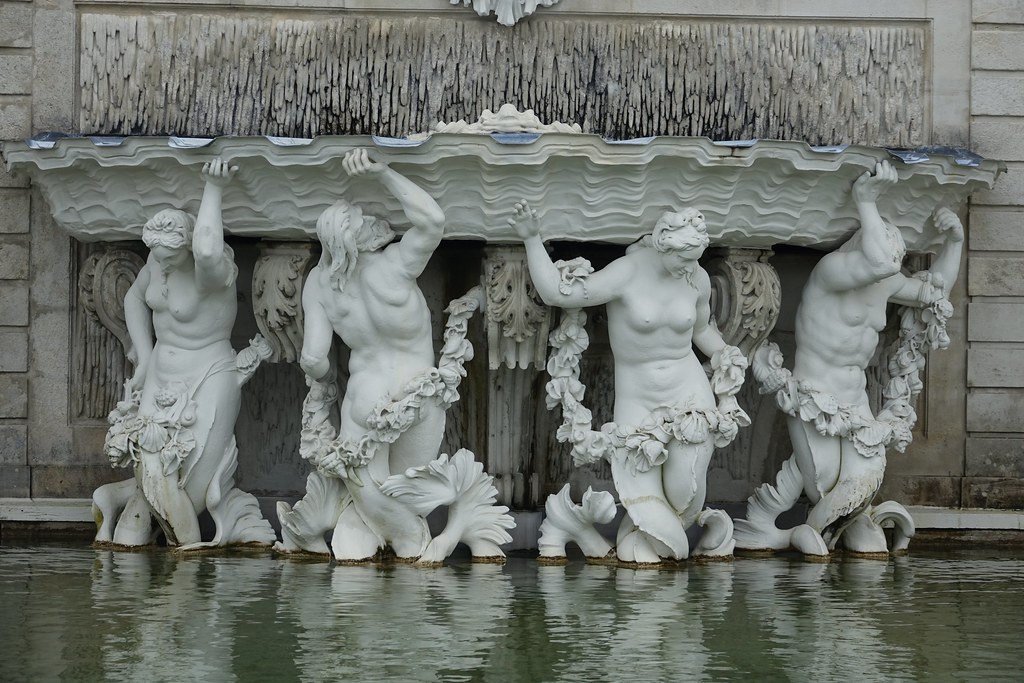
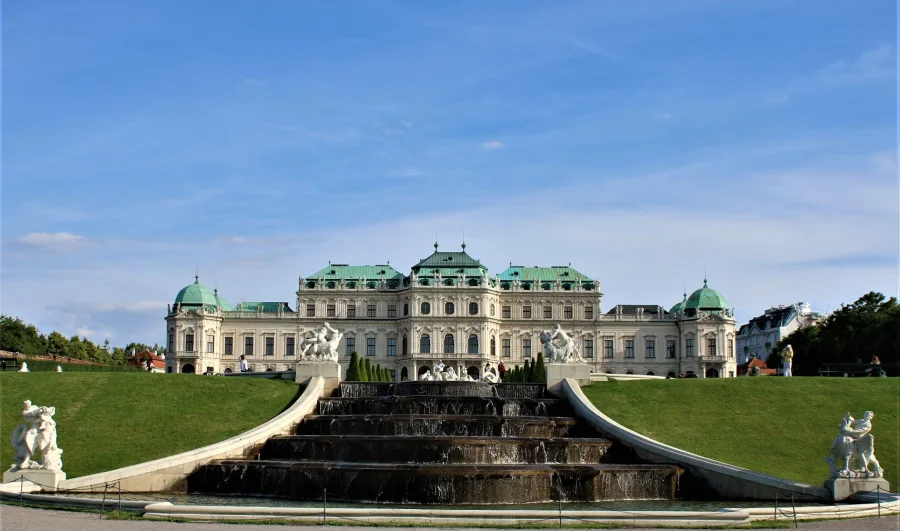
The experience begins with a stroll through the beautifully landscaped gardens that connect the Upper and Lower Belvedere. These gardens, designed in a formal French style, feature tiered fountains, sculptures, and meticulously maintained flowerbeds, offering a serene setting for a leisurely walk.
A Belvedere Palace tour provides insights into the lives of the historical figures who lived there and the art movements that shaped Europe.
We compare two of Vienna’s most iconic landmarks. We’ll explore their historical differences, art collections, and other travelers’ experiences to help you decide which one to visit… see more